
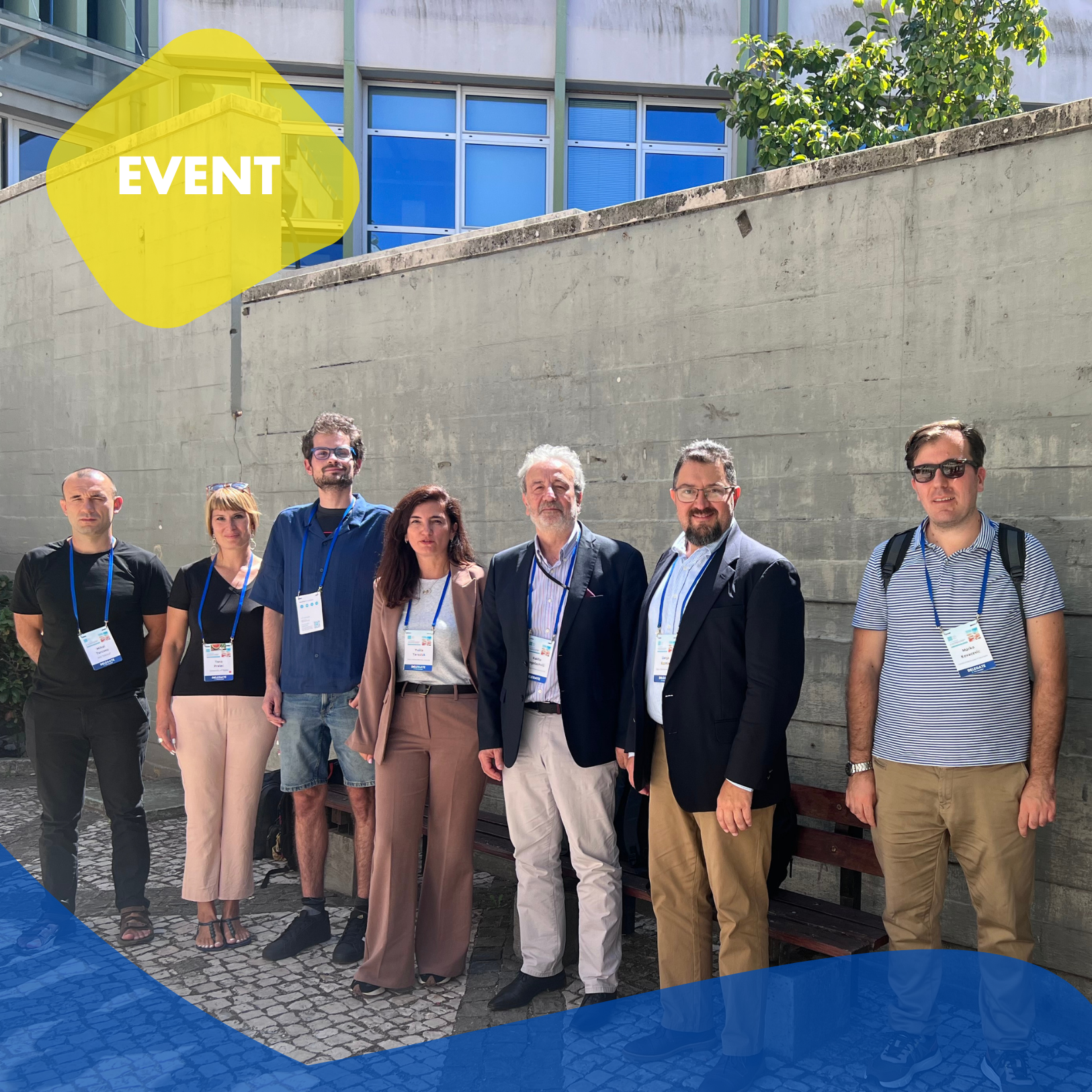
GEO-POWER-EU at the 19th EISA Pan-European Conference on International Relations
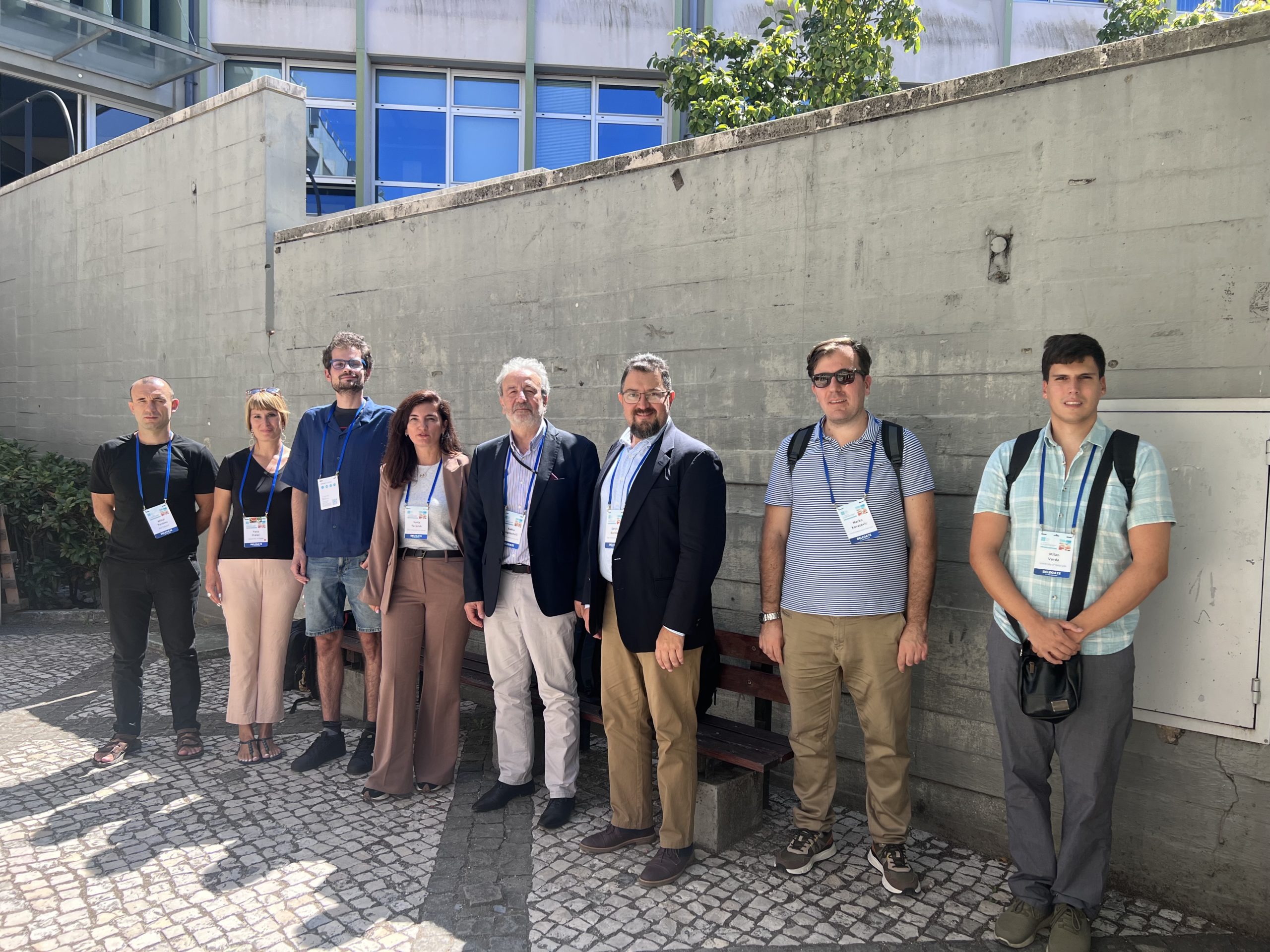
From 1 to 4 September 2026, members of the GEO-POWER-EU consortium took part in the 19th EISA Pan-European Conference on International Relations (PEC 2026), hosted by ISCTE – University Institute of Lisbon and organised by the European International Studies Association (EISA)
Nine researchers from six partner institutions represented the project, presenting research on corrosive capital, economic convergence and brain drain, and the future of EU enlargement including its implications for Ukraine’s foreign and domestic policy. The consortium was represented by Yuliia Tarasiuk and Asst. Prof. Denys Kuzmin (Odesa I. I. Mechnikov National University), Mihai Turcanu (Institute for Development and Social Initiatives “Viitorul”), Kristijan Fidanovski (wiiw), Milan Varda and Asst. Prof. Marko Kovačević (University of Belgrade), Kakha Gogolashvili (GFSIS), Dr. Sonja Stojanović Gajić (University of Rijeka / University of Belgrade), and Asst. Prof. Tena Prelec (University of Rijeka).
Their contributions drew on GEO-POWER-EU’s research into D 2.2 I Economic Convergence and Brain Drain in the Western Balkans and Eastern Partnership and D3.3 I Foreign Influence Challenges: Corrosive Capital and Disinformation in the Western Balkans and Associated Trio. It also built on the project’s broader findings on D2.4 I The Relevance of the Eastern Partnership (EaP) and on D2.1 I Discerning the perceptual gap between the EU policies and the countries’ expectations and needs.
Together, these contributions highlighted a central question for GEO-POWER-EU: how can the EU better understand and respond to the economic, political and societal dynamics shaping its neighbourhood and the prospects for further enlargement? The discussions at PEC 2026 provided an opportunity to bring these research findings into dialogue with the wider international relations community and to further explore the implications for Europe’s evolving geopolitical landscape.