
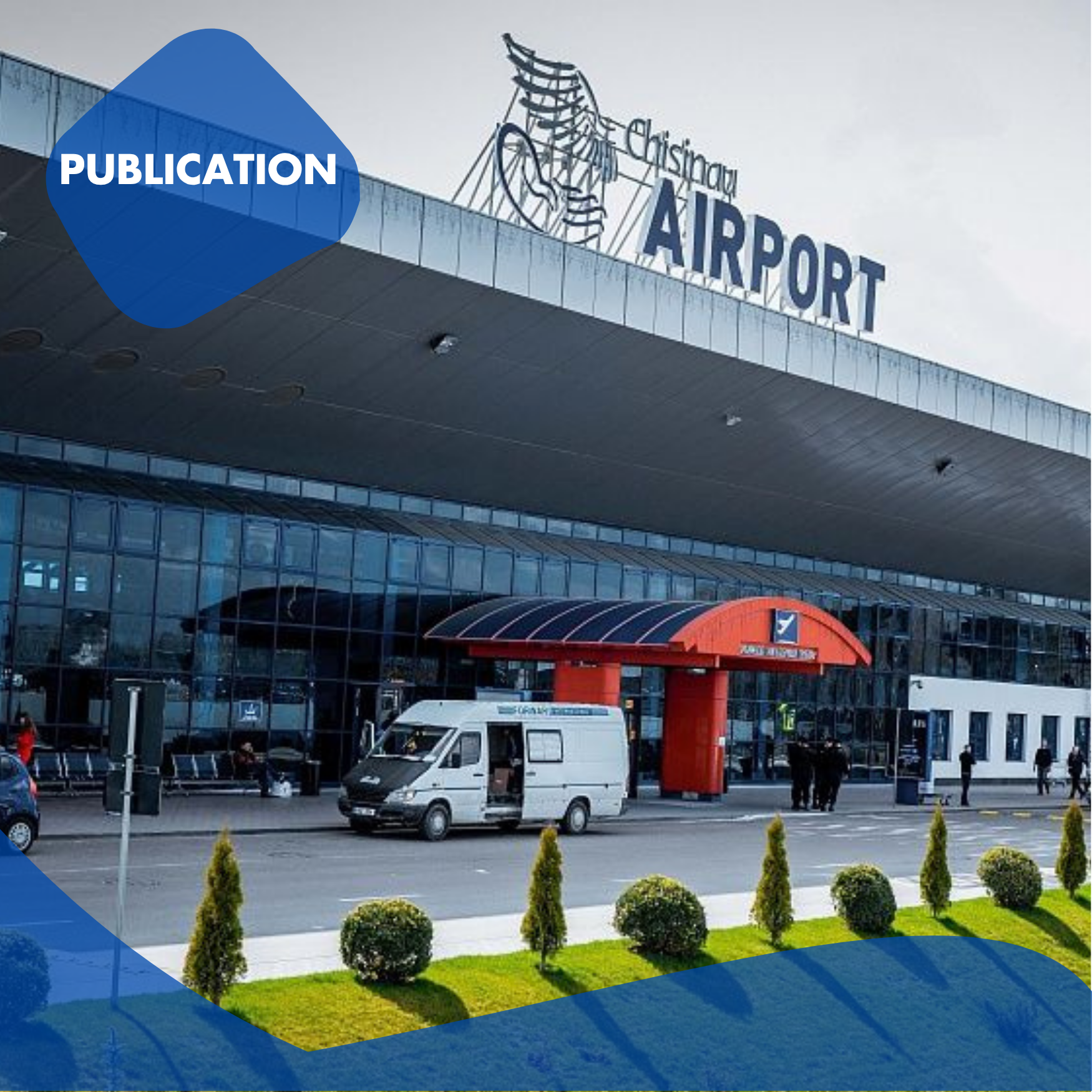
D3.3 I Case Study: Corrosive Capital in Transport Hubs: The Chișinău Airport Concession
The GEO-POWER-EU project has published a case study on the 2013 concession of Chișinău International Airport in Moldova as an example of “corrosive capital” exploiting governance gaps in a fragile post-Soviet political economy. Drawing on investigative journalism, expert interviews, and parliamentary inquiry reports, the in-depth case study demonstrates that the corrosive nature of capital is not determined by whether it originates from a hostile state, but by how it interacts with weak institutions, elite incentive structures, and accountability deficits.
The findings highlight how Moldova’s under-developed procurement rules, coalition-based ministerial discretion, and opaque beneficial ownership frameworks created the conditions for a 49-year lease of a profitable state asset to be awarded through a closed tender to a newly incorporated special-purpose vehicle with Russian-linked ownership. These structural vulnerabilities facilitated offshore restructuring, fee-financed investment at the public’s expense, and sustained obstruction of regulatory and judicial oversight for nearly a decade.
The case study proposes clearer institutional safeguards, including mandatory beneficial ownership disclosure, independent feasibility assessments, and arbitration clauses that preserve meaningful domestic accountability, as essential conditions for ensuring that infrastructure concessions serve the public interest rather than entrenching opaque foreign-linked control.
📥 Download the full report (PDF).
*Featured Image: Visit Chisinau