GEO-POWER-EU Hosts Public Event on Moldova and Ukraine’s EU Accession Path amid War and Uncertainty
On 3 June 2026, GEO-POWER-EU held a public event titled “Moldova and Ukraine on the EU Accession Path amid War and Uncertainty”. The event, organized by GEO-POWER-EU consortium partner the Institute for Development and Social Initiatives (IDIS) “Viitorul”, took place in Chișinău, Moldova and brought together experts, officials, and civil society actors from Moldova, Ukraine, and beyond for a rich and timely exchange on EU accession, democratic resilience, and regional security.
The event opened with remarks by Dr. Liubomir Chiriac, Executive Director of IDIS “Viitorul”, who noted that geographical integration and the fight against Russian aggression are interconnected processes essential to the security and democratic future of Eastern Europe. He highlighted that European integration remains a broadly shared priority, with recent data indicating that nearly 64% of citizens support EU accession in 2026. GEO-POWER-EU Project PI Prof. N. Tzifakis also offered opening remarks, underscoring that Moldova represents a uniquely fitting setting for this discussion, as a country navigating front-line security pressures while continuing to advance resolutely along its European integration path. The keynote address was delivered by Valeriu Mija, State Secretary at Moldova’s Ministry of Foreign Affairs, who outlined Moldova’s strategic goal of EU membership by 2030. He noted that the government is working daily on fundamental transformative reforms, and argued that EU accession and national reintegration should advance in parallel with complementary roles, with reintegration not serving as a precondition for EU membership. 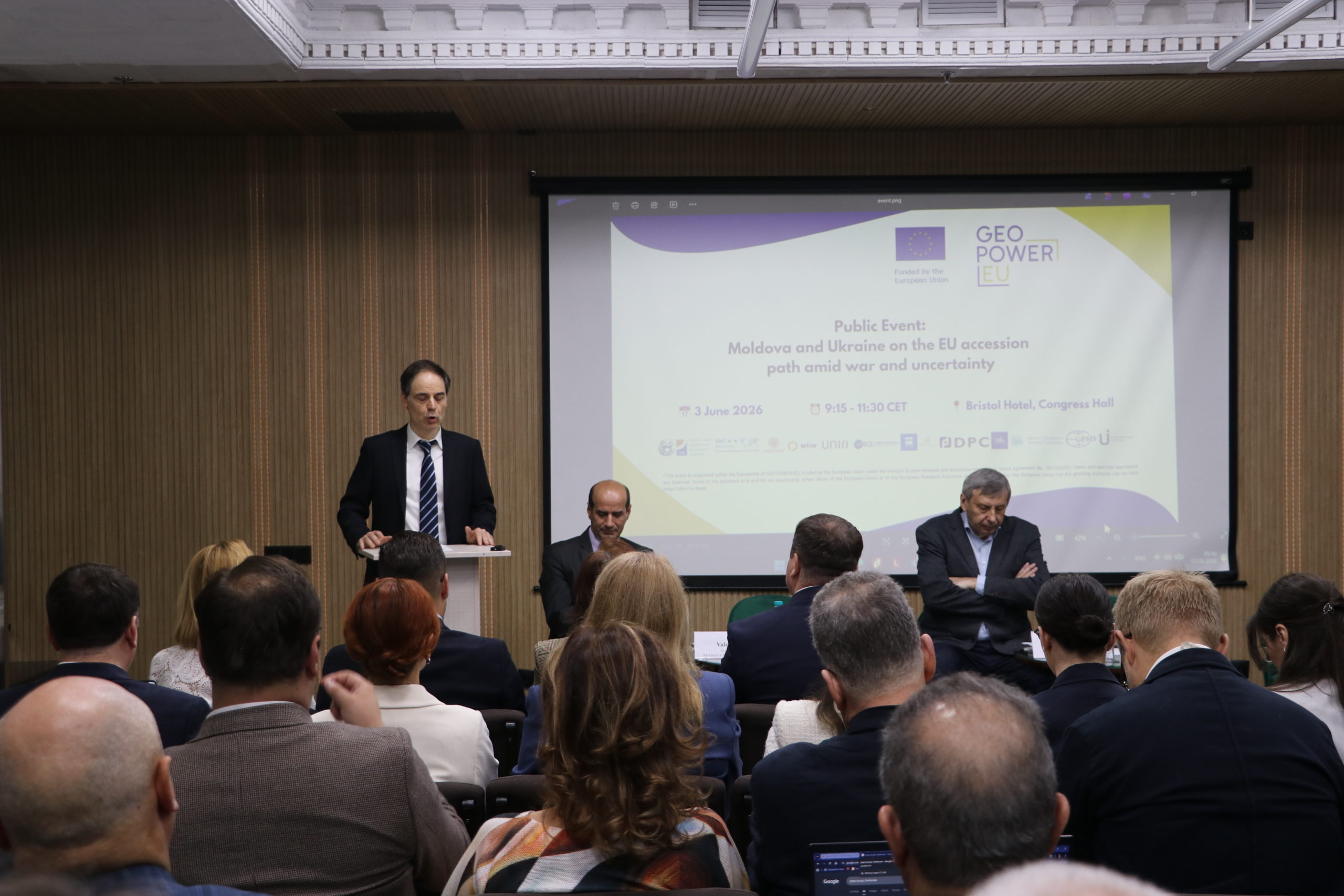
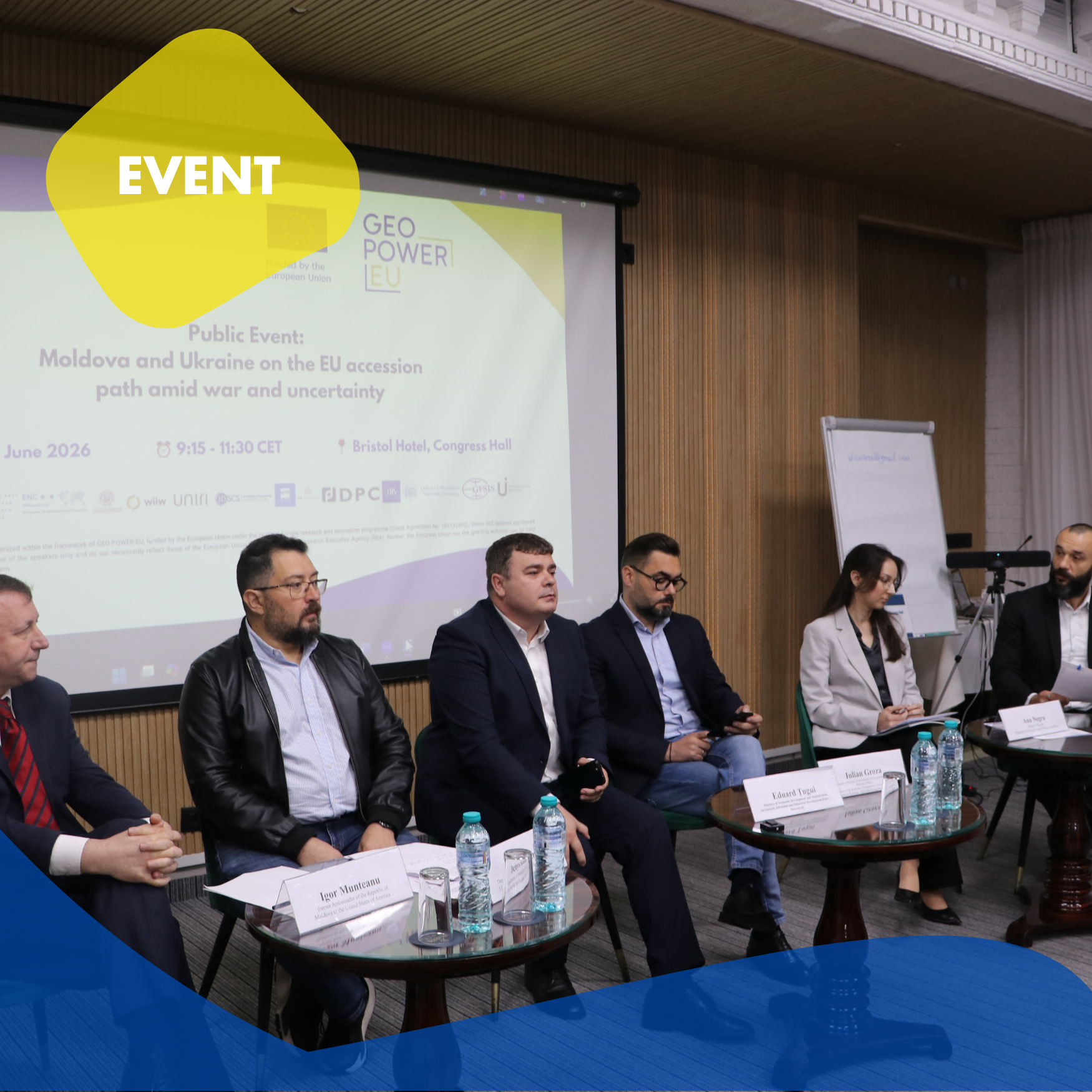
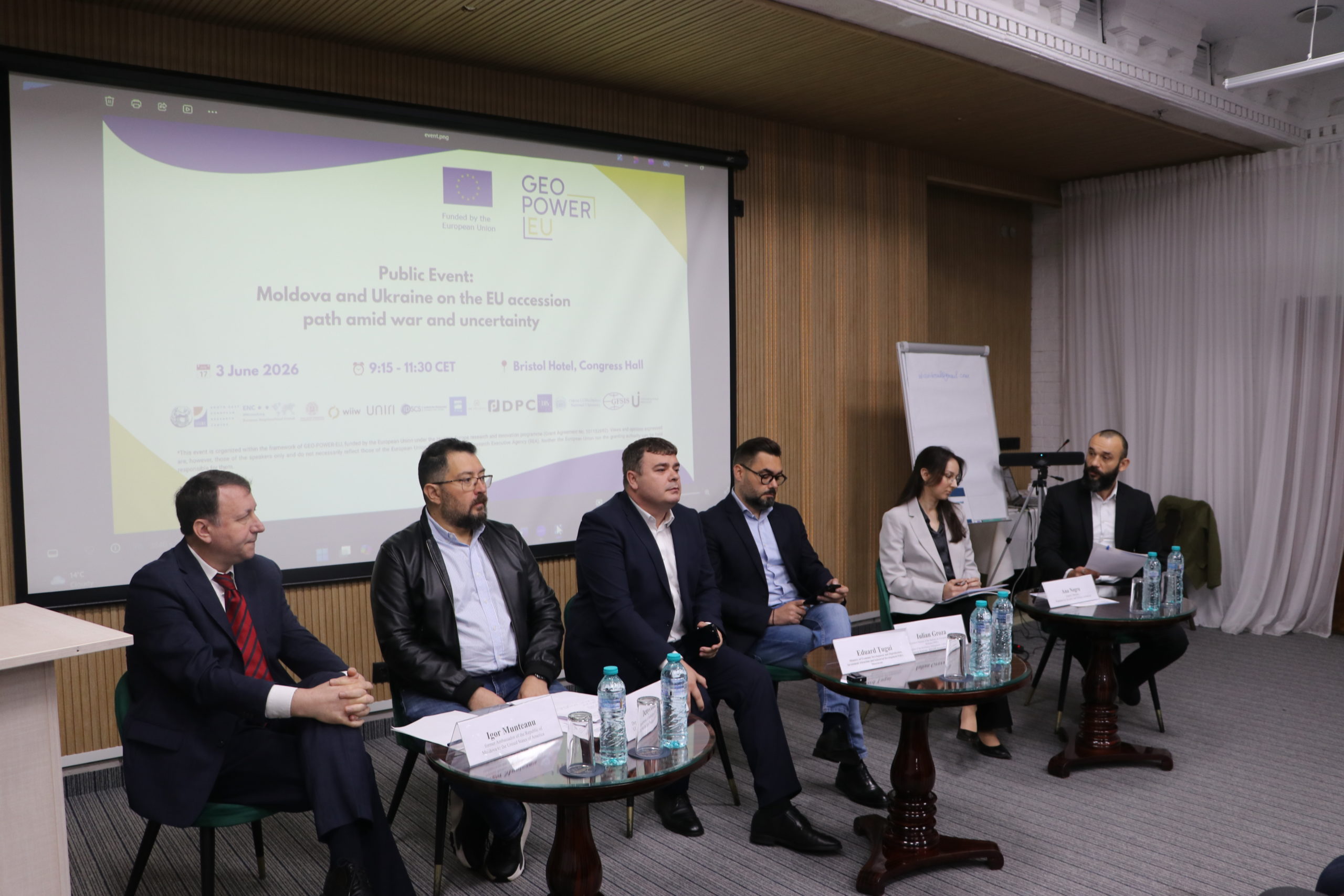
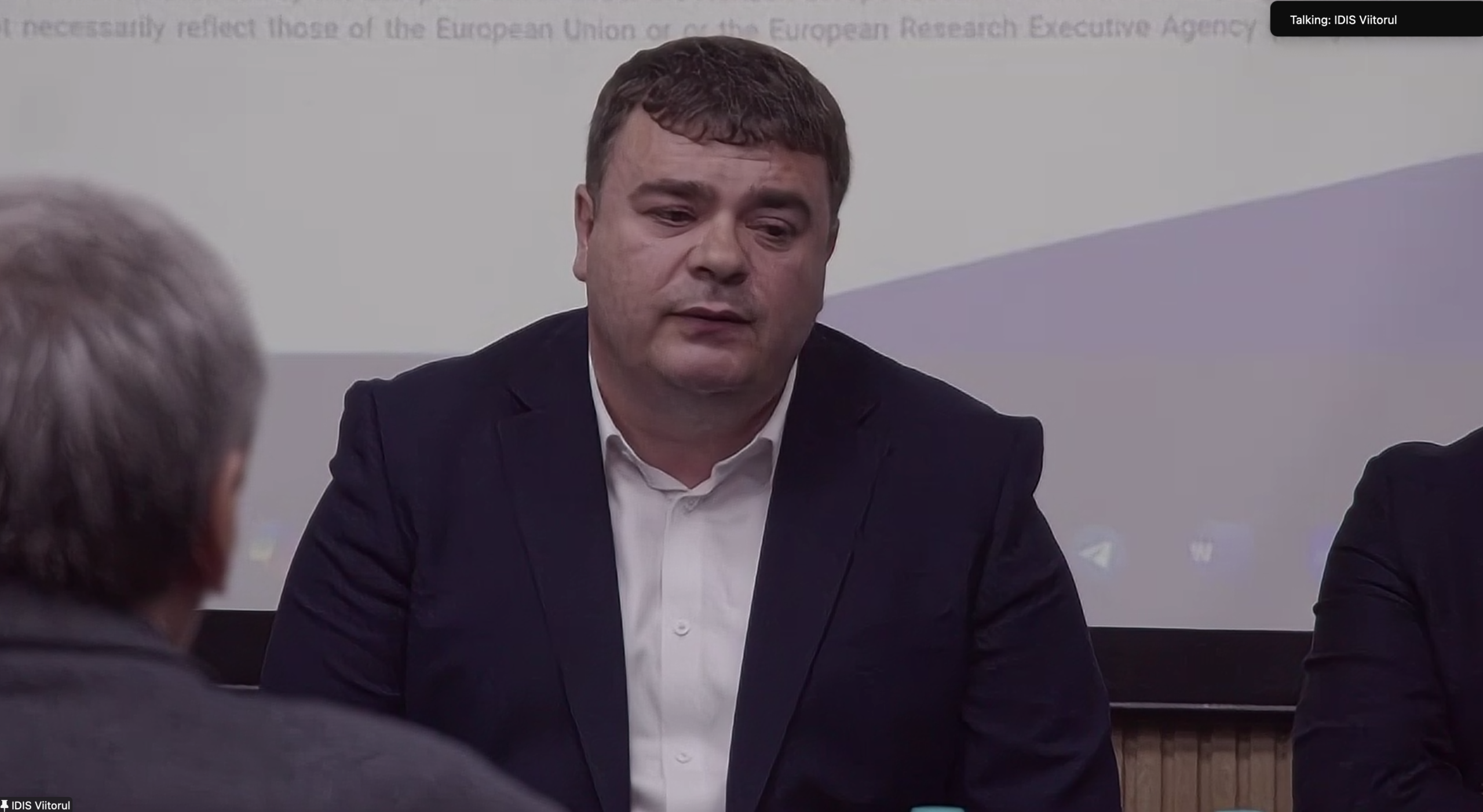
The panel discussion, moderated by Dr. Mihai Țurcanu of IDIS “Viitorul”, featured a range of expert perspectives. Dr. Igor Munteanu, former Moldovan Ambassador to the United States, argued that EU accession has evolved into a geopolitical process marked by uncertainty and integration fatigue, and that Moldova and Ukraine’s paths are bound together — with any attempt to distance one accession from the other being neither strategically sound nor morally justifiable. Asst. Prof. Denys Kuzmin of Odessa I.I. Mechnikov National University brought the Ukrainian perspective, noting that EU membership has become a core part of national identity rather than simply a reform agenda.
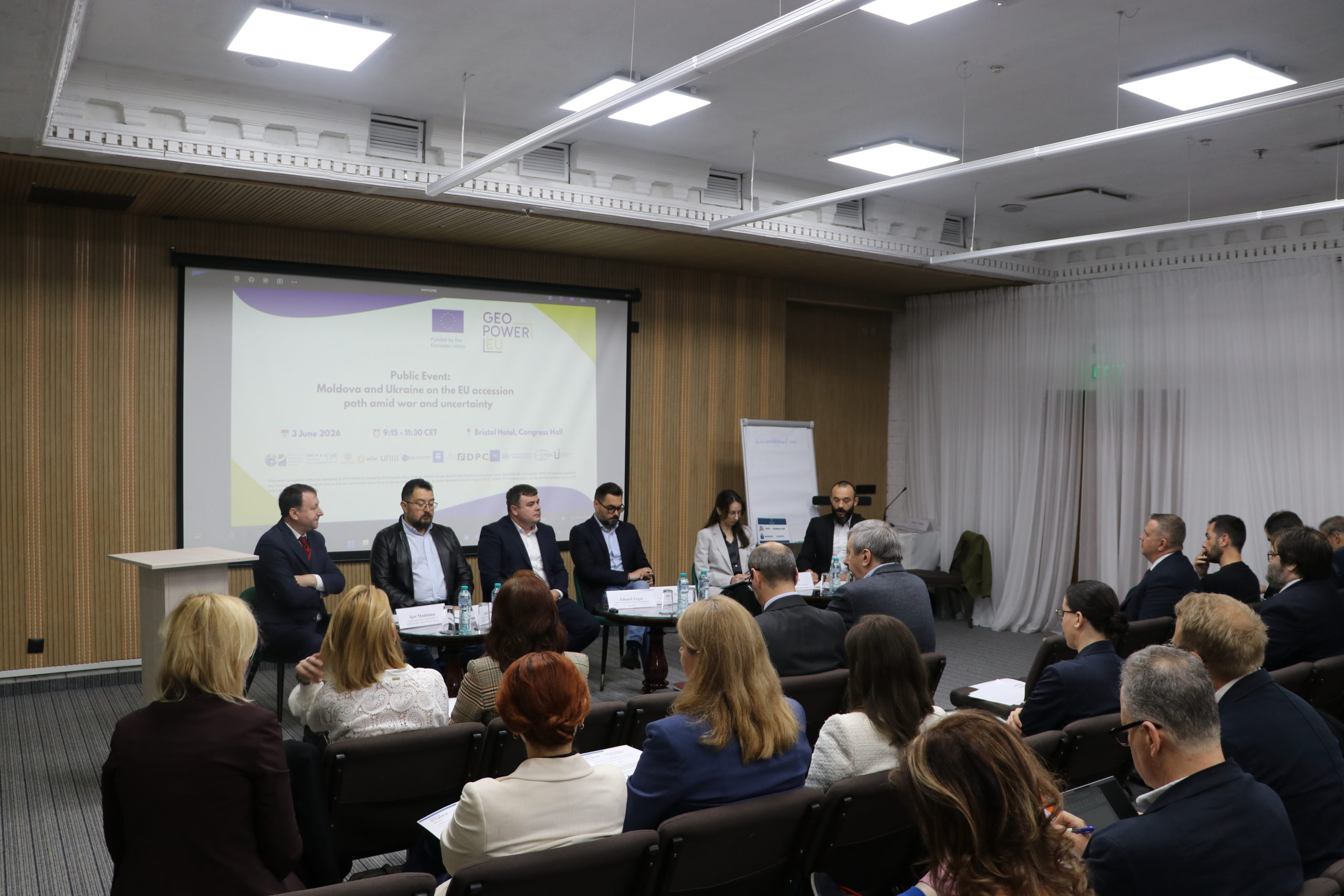
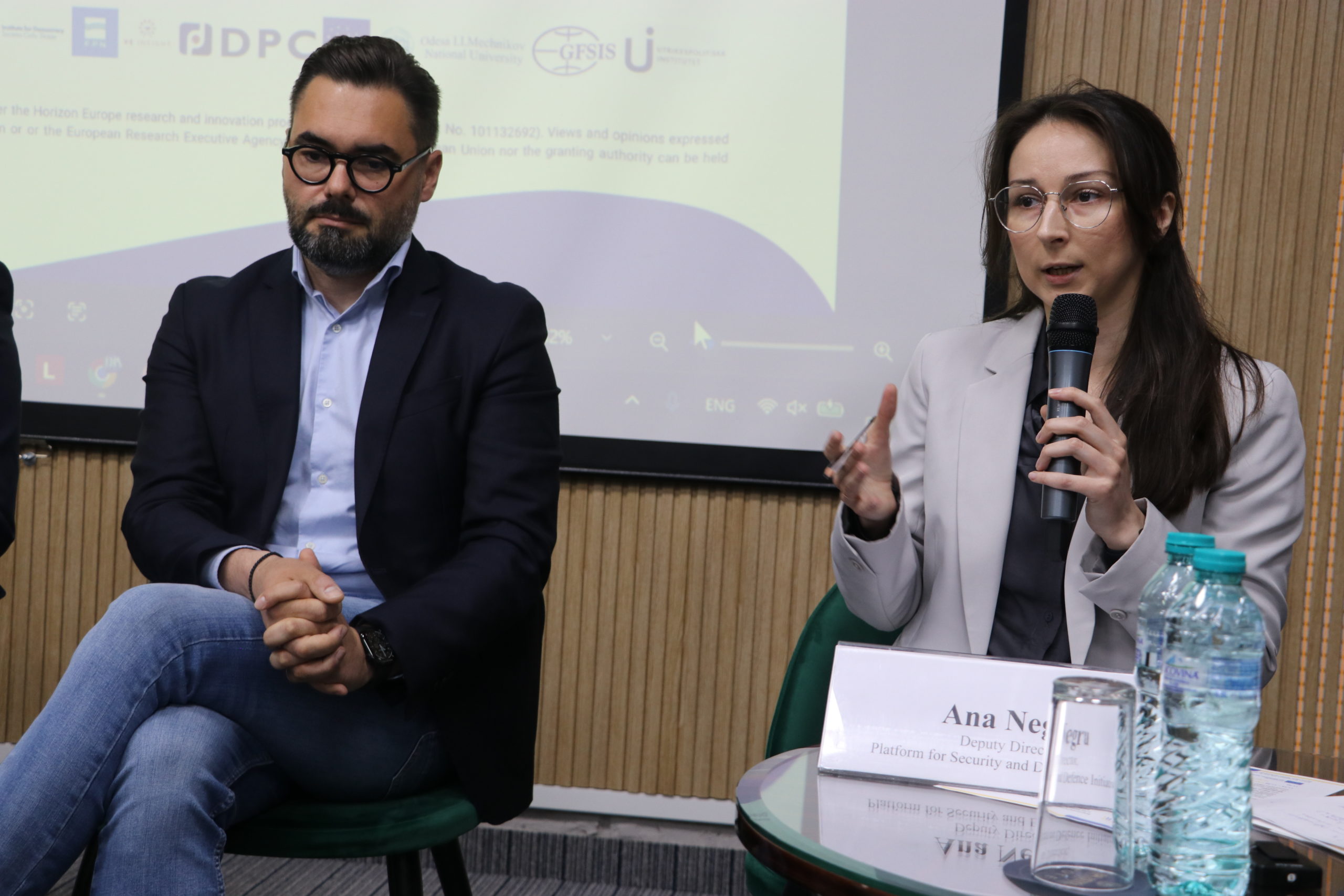
Eduard Tugui, Head of Investment Attraction and Industrial Development Policy at Moldova’s Ministry of Economic Development and Digitalization, highlighted that geopolitics also presents concrete opportunities, with new EU frameworks on industrial policy, the Chips Act, critical raw materials, and the space and defence sectors opening tangible entry points for Moldova’s accession negotiations and economic development. Dr. Iulian Groza, Executive Director of IPRE and member of the REUNIR Horizon Project Consortium, stressed that security and integration are mutually reinforcing processes, and that advancing both in parallel is essential to strengthening the broader security architecture of the European Union. Finally, Ana Negru, Deputy Director of the Platform for Security and Defence Initiatives, presented findings from a study on democratic resilience across Armenia, Moldova, and Ukraine, concluding that while both Moldova and Ukraine have demonstrated remarkable resilience, vulnerabilities remain and democratic resilience must become systemic.
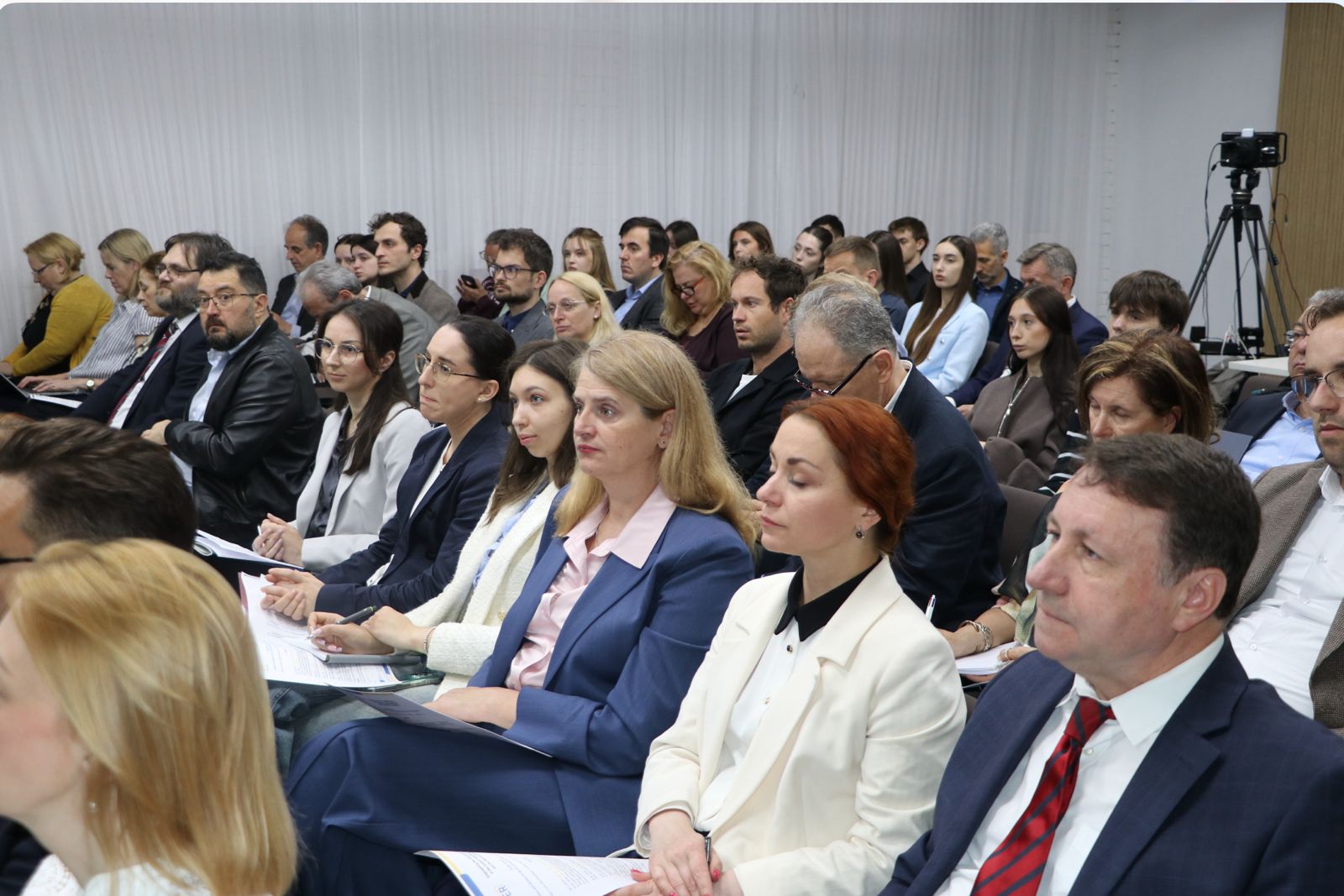
The conference concluded to a full house, reflecting the strong interest and urgency surrounding these topics. GEO-POWER-EU thanks all speakers, participants, and partners for their valuable contributions to this important discussion.