
GEO-POWER-EU Presents Key Findings at DG ENEST
On 29 September 2026, the European Neighbourhood Council (ENC), on behalf of the GEO-POWER-EU consortium, organised an event titled “Reforming EU Enlargement Policy and Measuring External Influence in the Western Balkans and the Eastern Partnership”, hosted by DG ENEST.
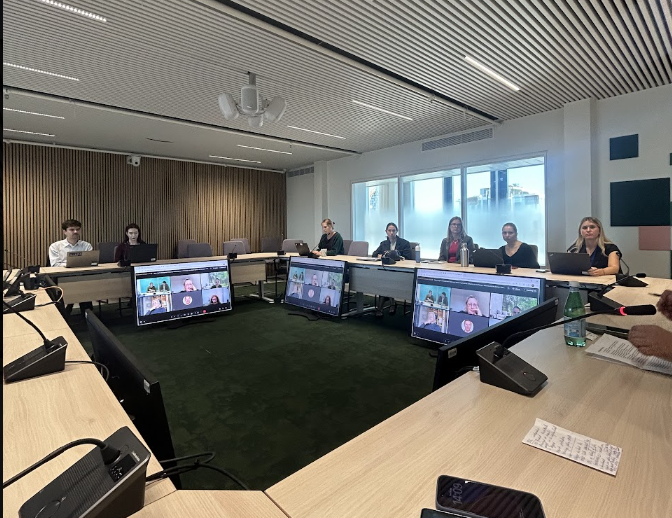
The event took place at the DG ENEST premises in Brussels and brought together 72 participants. The briefing introduced DG ENEST, EU Delegations and other EU agencies to three policy-relevant outputs of the project, and it opened with welcome remarks from Samuel Doveri Vesterbye, Director of the ENC, who presented the consortium and the purpose of the briefing.
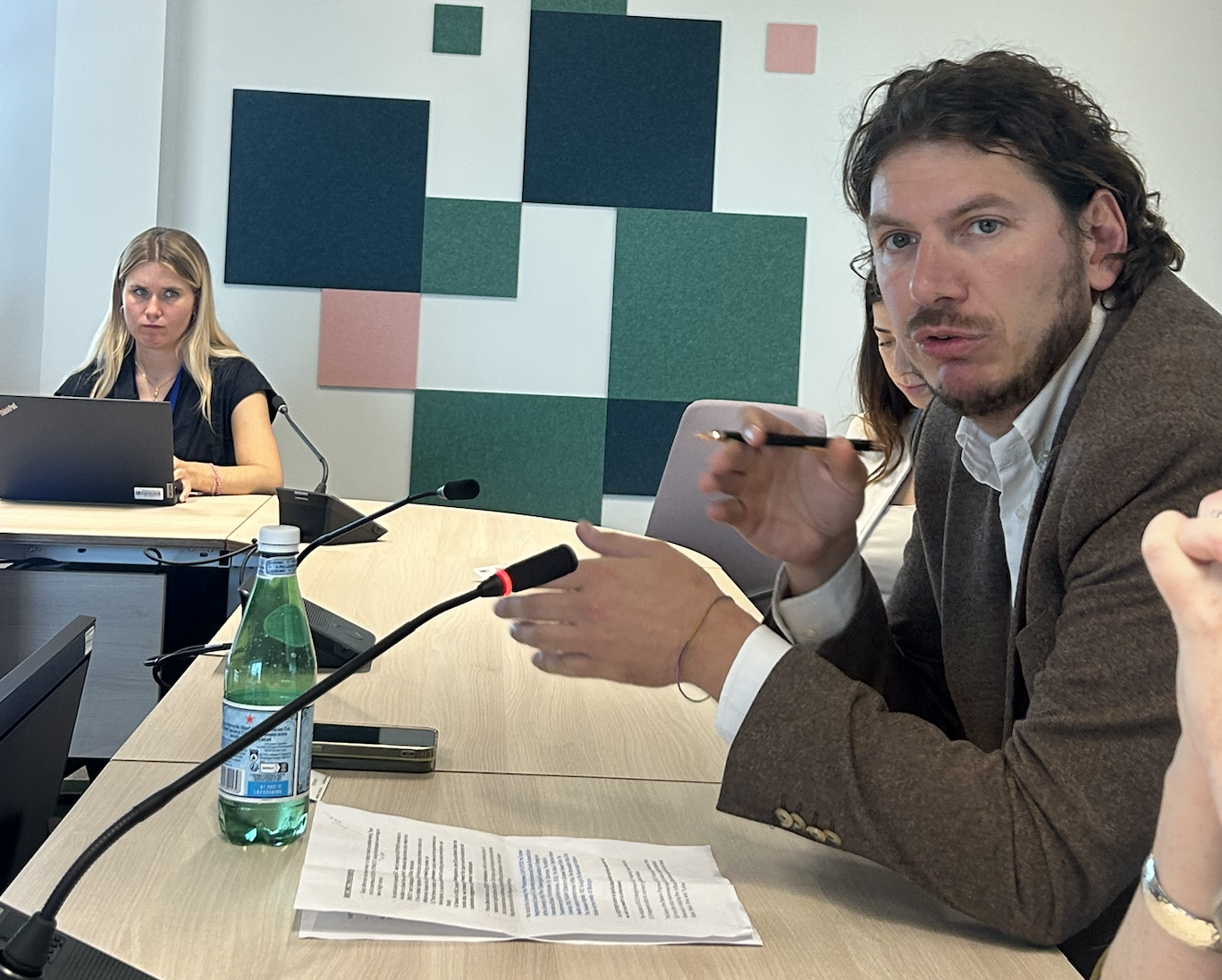
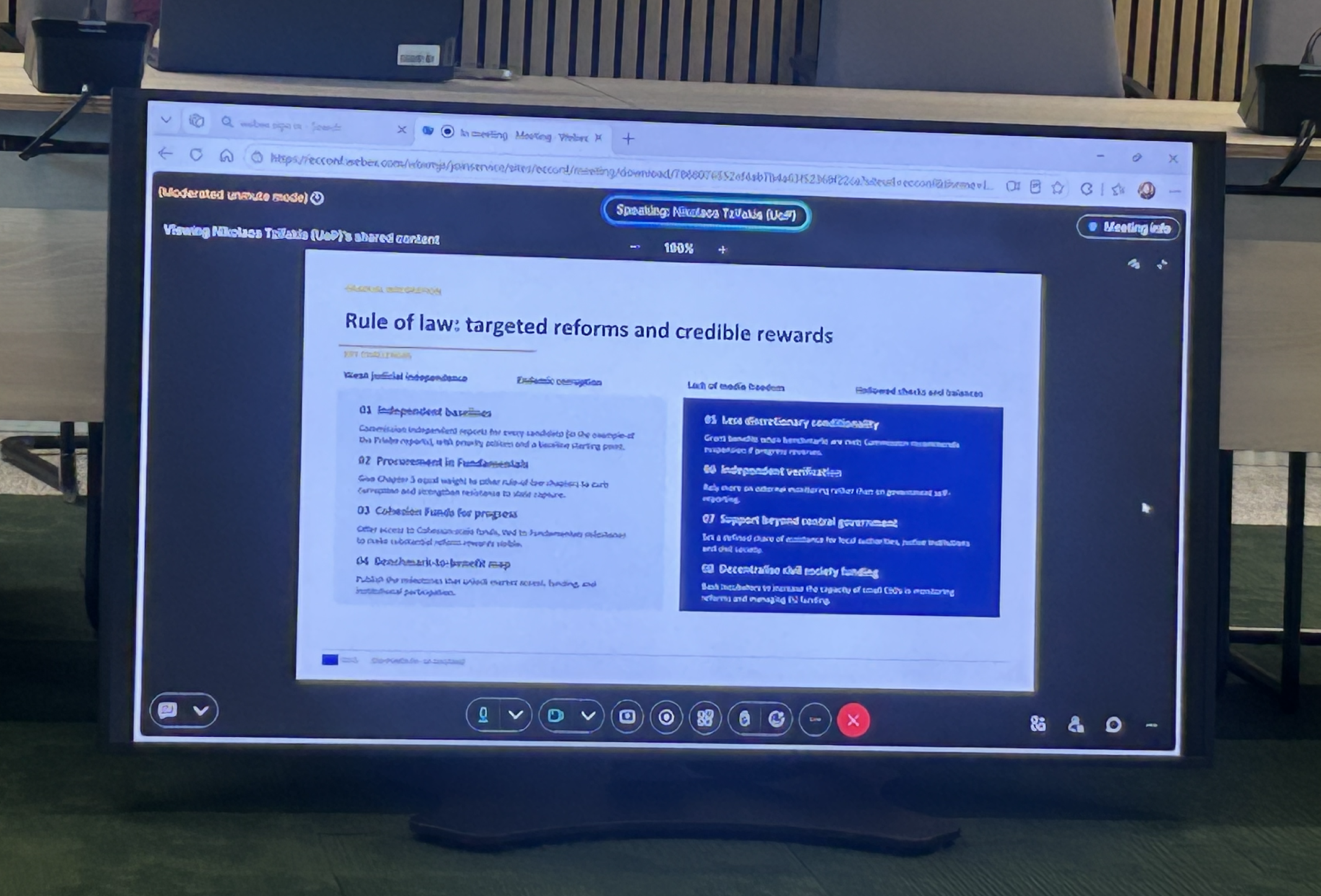
GEO-POWER-EU Project Coordinator Prof. Nikolaos Tzifakis of the University of the Peloponnese presented the report “Reforming EU Enlargement Governance and Advancing a Principled Gradual Integration: A Three-Track Decision-Making Model and Priority Accession Reforms.” Drawing on 109 semi-structured interviews, 20 focus groups and a survey of 9,011 citizens across nine countries, the study proposes three reforms: a three-track Council decision-making model that ends blanket unanimity at the intermediate stages of negotiations and can be introduced without Treaty change; an operational approach to gradual integration that links priority reforms to tangible intermediate rewards; and a principled membership framework that rules out second-class membership.
Alexandra Bykova of The Vienna Institute for International Economic Studies (wiiw) then presented the main findings of the Interdependence Database and gave a guided walk-through of the platform. The open dataset registers the political, economic, security a nd societal ties of the Western Balkans six and the Associated Trio with the EU, the United States, China, Russia and Türkiye from 2007 to 2024. Dr Sonja Stojanović Gajić of the University of Rijeka / CAS SEE followed with the three indices measuring the reach of the EU’s geopolitical competitors in the two regions, explaining what the Interdependence, Exposure Risk and Strategic Autonomy Indices each measure and outlining the main patterns across the Western Balkans and the Eastern Partnership. The session showed how the Database and indices can support day-to-day country work, including reporting, country briefs, programming, and the early identification of external influence and dependency risks. The briefing concluded with an open discussion and Q&A.


